How To Remove Pen Ink From Sofa Without Damaging Upholstery
- Identify your sofa material before treating ink stains
- Important safety tips before you start cleaning
- How to remove pen ink from fabric sofas and couches
- How to remove pen ink from microfiber sofas
- How to remove pen ink from leather and faux leather sofas
- How to remove pen ink from suede and velvet sofas
- Common mistakes to avoid when cleaning ink from sofas
- When to call a professional upholstery cleaner
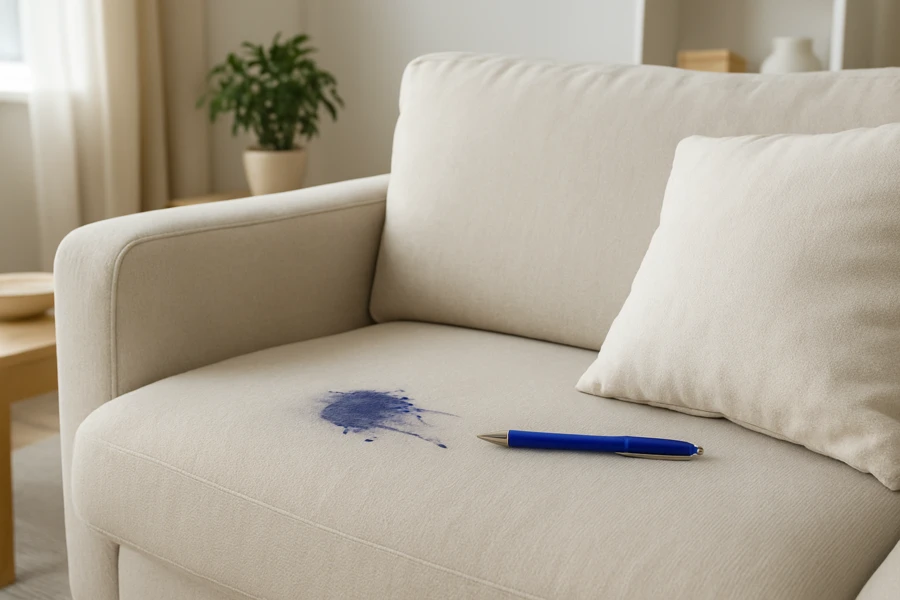
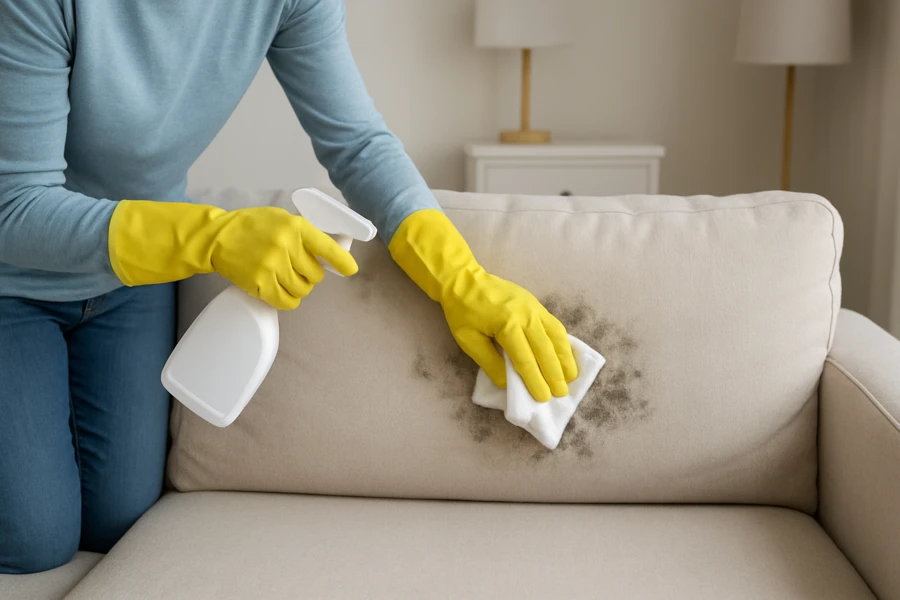
The first thing I tell clients is this: stop rubbing. The faster you stop smearing, the easier it is to remove pen ink from sofa upholstery without leaving a permanent shadow. I'm asked daily how to remove pen ink from sofa cushions and arms, how to remove ink stain from sofa backs after kids' homework, or how to get ink out of couch corners where pens explode. In my experience, most people panic and make it worse while trying to figure out how to get pen off couch fabric or leather. Stay calm. You'll see clear, practical steps for how to remove pen ink from sofa, how to get ink out of couch surfaces of different materials, and how to remove ink stain from sofa seams so the stain fades instead of spreading.
Identify your sofa material before treating ink stains
Correct stain removal starts with knowing what you are sitting on. In my experience, guessing the material is the fastest way to ruin a good couch.
If you are dealing with a fabric sofa, focus first on weave and feel. Tightly woven upholstery can usually handle gentle blotting, while loose or textured weaves snag and fray if you scrub.
With leather, the approach is very different. Finished leather has a smooth, slightly coated feel, while unfinished or aniline leather feels softer and more absorbent, so it drinks in ink quickly and needs much gentler treatment.
Velvet needs extra respect. Any method you use on velvet cushions must protect the pile, because heavy pressure can crush the fibers and leave a permanent mark even if the color fades.
Microfiber behaves closer to suede than cotton. Cleaning this material safely depends on recognizing that its fine synthetic fibers can mat or turn shiny if you use harsh cleaners or too much friction.
Natural suede is the most delicate of all. Whatever technique you choose has to avoid water rings and stiff patches, so identifying that soft, nap-like surface correctly is a professional priority.
How to tell if your sofa is fabric microfiber leather or suede
I always start with a touch test. Smooth, cool, and slightly glossy usually signals leather, while warm and slightly fuzzy points to fabric or microfiber.
For typical upholstery fabric, check the back of a loose cushion or under the sofa. If you can see threads and a visible weave, you are dealing with standard furniture cloth, not leather or suede.
Microfiber feels like a very fine suede but is usually synthetic. A quick rub with a dry hand will leave a darker “track” that brushes away easily, which matters later when deciding how to clean it without flattening the fibers.
Real suede has a nap that changes shade more dramatically when you run your hand both directions. Because suede absorbs quickly, professionals treat leather very differently from suede, even though they seem similar at a glance.
Check cleaning codes and test a hidden area
Before tackling any ink on your couch upholstery, I always hunt for the manufacturer's cleaning code tag. This small label, often under a cushion or on the underside of the frame, tells you what type of cleaners the fabric can tolerate.
Codes like W, S, WS, or X determine which products are safe. W means water-based products are safer, S means solvent-based only, WS allows both with care, and X means vacuum only and professional cleaning for stains.
Always test any cleaner in a hidden area first. A cotton swab or small white cloth dabbed behind a cushion lets you see if color lifts, fabric roughens, or finish dulls before you touch the visible ink stain.
Stop immediately if you see dye transfer, texture change, or shine. In my experience, ignoring that early warning causes more damage than the original ink mark ever would.
Important safety tips before you start cleaning
Test every cleaner on a hidden spot first; this single step determines whether you can clean ink from a sofa safely without causing permanent rings or fading. I have found that rushing this test is the fastest way to turn a simple ink issue into damage to the fabric itself, not just the stain.
Always ventilate the room and wear gloves when using alcohol-based products, as fumes and skin contact build up quickly during stain removal. Work with white cloths only, because colored rags can bleed dye into damp upholstery and create a second stain that is harder to fix than the ink.
Products and tools to avoid on delicate sofas
On leather, harsh solvents, nail polish remover, and abrasive pads are what I avoid first when deciding how to get ink off a couch safely. These strip protective coatings, leaving dull patches that no conditioner can fully disguise.
For suede, the danger comes from too much liquid and scrubbing tools with a rough surface. I stick to minimal moisture and never use hard brushes, because they crush the nap and leave shiny bald spots that look worse than the original mark.
Protecting colors seams and cushion fillings
To clean an inked sofa cushion without damage, keep liquids away from zippers and seams where they can seep inside. Once cleaner reaches the filling, stains spread from the back to the front and reappear even after careful blotting.
When working on a couch cushion, I remove the cover only if the care label allows it and never wring or twist damp fabric. Excess force breaks stitching and warps the shape of the cushion, turning a small ink problem into a permanent sag or distortion.
How to remove pen ink from fabric sofas and couches
I always start by checking the care label before tackling a fabric sofa, because water-only materials react very differently from those that tolerate solvents. If you want to get ink out of a fabric couch safely, test every product on a hidden seam first and stop immediately if you see color transfer. The real secret is patience: several light treatments work better than one aggressive scrub. If you are unsure how to treat the stain without spreading it, keep your working area smaller than the original mark. When clients ask about ink on fabric couch arms or seats, I remind them that heat sets ink, so avoid steam cleaners or hot dryers until the stain is fully gone.
Blotting fresh ink stains from fabric
- Act immediately and place a clean white cloth or paper towel under the stained area so the ink has somewhere to go instead of soaking deeper into the cushion.
- Blot from the outside of the mark toward the center with a fresh white cloth; never rub, or you will drive the ink into the weave and make later stain removal much harder.
- Lightly dampen a cloth with cool water and continue blotting, changing to clean sections often; this alone often clears a fresh ink mark when the pigment is still wet.
- Stop immediately if the fabric color lifts onto your cloth, and switch to plain dry blotting only.
Treating dried ink stains on fabric upholstery
- If you are dealing with dried ink, start by gently vacuuming the area with an upholstery tool to remove dust that can scratch fibers while you work.
- Apply a small amount of a mild, alcohol-based stain remover to a cotton swab and tap only the ink, keeping the area as small as possible.
- Blot with a dry white cloth, then repeat in short sessions; this slow approach removes ink from couch fabric without causing rings or faded patches.
- Allow the area to air dry fully between rounds so you can judge progress accurately and avoid over-treating the fibers.
Special cases such as dark red or black ink
Dark pigments behave differently, so getting black ink out of a couch often requires more repetitions with shorter contact time to avoid shadowing. With red pigments, you usually need to switch quickly to targeted dabbing with a solvent-safe product, because red dyes migrate fast and can bleed into surrounding fibers. Always stop at the first sign of fabric damage and consult a professional cleaner if the stain is large, very dark, or on delicate upholstery.
How to remove pen ink from microfiber sofas
-
Blot fresh ink immediately with a clean white cloth. Work from the outside of the stain toward the center so you do not spread the ink deeper into the cushion.
-
Lightly mist the stained area with rubbing alcohol in a spray bottle. I have found that alcohol is the safest starting point for microfiber because it evaporates quickly and helps prevent water rings.
-
Gently dab, do not rub, with a white microfiber cloth. A mistake I see often is scrubbing; that drives the ink into the backing and makes it much harder to remove fully.
-
Repeat light misting and blotting until no more color transfers to the cloth. The key to cleaning pen from microfiber is patience with multiple light passes instead of one aggressive attempt.
-
Allow the area to air-dry fully, then fluff the fibers with a soft brush. This final grooming step helps erase any trace of the treatment so the spot blends with the rest of the fabric.
How to remove pen ink from leather and faux leather sofas
Act fast on fresh ink. In my experience, the faster you start, the better your chances of success on leather couch surfaces and seams.
-
Blot, never rub. Use a dry white cloth to blot the ink gently. Rubbing pushes pigment deeper into the grain and makes later removal much harder.
-
Test any product first. A mistake I see often is skipping a patch test behind a cushion. This is non‑negotiable if you want to get ink off leather without causing dull spots.
-
Use a leather-safe cleaner or alcohol. Dab a cotton bud lightly in isopropyl alcohol or a dedicated ink remover. Work only on the stain edge toward the center to control spreading when you treat arms or backs.
-
Wipe and neutralize. Once the ink lifts, wipe with a slightly damp cloth, then dry immediately. This step protects the finish on leather panels or piping.
-
Condition the leather. Ink removers dry leather. I always finish with a good conditioner, especially on older or sun-exposed pieces.
On white leather couches, or any pale leather, expect to repeat gentle applications rather than one aggressive treatment. The safest approach is patience and very light pressure each time.
Professionally, I treat ink on leather upholstery as a precision task: tiny tools, tiny amounts of product, and frequent blotting. That same approach works at home and sharply reduces the risk of rings, over-lightening, or texture damage.
Cleaning standard leather sofas
-
Identify the leather finish. Coated leathers tolerate careful use of alcohol; aniline and unfinished leathers do not. This choice determines how you can clean ink off cushions without stripping color.
-
Work in small zones. I tackle only a fingertip-sized area at a time. That control is key for removing pen marks on seats where stitching and creases trap pigment.
-
Feather the edges. After the main stain lifts, lightly wipe just beyond the original mark. This prevents a bright “spot” and gives a uniform look across the leather panel.
Dealing with white and light colored leather
-
Use the mildest option first. For pale areas, start with a leather cleaner or very diluted alcohol on a cotton bud. Strong products can leave yellowing that is harder to fix than the ink itself.
-
Protect the surrounding area. I place a barrier of folded paper towel around the stain so any bleeding ink cannot travel. This matters most on leather upholstery that has quilting or tufting.
-
Inspect in natural light. Under strong daylight, check for faint halos. Two or three light treatments work better than scrubbing once and damaging the finish.
Cleaning faux leather and rexine sofas
-
Confirm it is faux leather. Faux leather and rexine behave more like coated plastic than skin. That difference guides how you treat these surfaces safely.
-
Use gentle cleaners first. I start with a mild dish soap solution and a soft cloth. This often handles pen marks on rexine panels without needing solvents.
-
Add alcohol only if needed. For stubborn lines, a tiny amount of isopropyl alcohol on a cotton bud can help, but prolonged contact can dull the shine. Work quickly, wipe clean, then dry.
Never use nail polish remover, bleach, or abrasive pads on faux leather or rexine. These products can harden, crack, or permanently cloud the surface after a single use.
How to remove pen ink from suede and velvet sofas
-
Blot the fresh ink immediately with a dry white cloth. In my experience, the faster you act on suede, the better your chances. Dab gently from the outside of the mark inward so the ink does not spread deeper into the nap.
-
Test any cleaner on a hidden area first. A mistake I see often is skipping this and causing permanent dark rings. For both suede and velvet, apply a tiny amount of rubbing alcohol or a suede-safe cleaner under a cushion and check for color bleed or stiffening.
-
Use rubbing alcohol sparingly on a cotton swab. To get pen out of suede cushions, lightly dab the ink with the swab, switching to a clean side as the ink lifts. The secret is keeping the area barely damp, never soaked.
-
Blot and lift, never scrub. Scrubbing drives pigment deeper, especially on a suede sofa. Blot with a dry cloth between alcohol applications until no more color transfers.
-
For velvet, treat the pile gently in one direction. When removing ink from velvet, dab with alcohol on a cloth, following the nap. The same approach works for pen lines on velvet upholstery; then finish by gently brushing the pile with a soft brush as it dries.
Common mistakes to avoid when cleaning ink from sofas
I have found that most couch-ink disasters come from rushing and guessing. People panic, grab the strongest cleaner they own, and end up spreading the stain or bleaching the upholstery.
A mistake I see often is testing new products directly on the visible area. Always test on a hidden spot first to avoid permanent rings, fading, or texture changes.
Actions that push ink deeper into the fabric
Pressing hard, rubbing in circles, or using a soaking-wet cloth is the fastest way to fail at getting ink out of couch fabric. Aggressive rubbing drives liquid ink down into the padding, where it becomes almost impossible to reach.
On any furniture fabric, I always blot gently from the outside of the stain toward the center with a barely damp, clean cloth. Avoid scrubbing, twisting, or folding the fabric against itself, or you will grind the ink deeper.
Overusing harsh chemicals and scrubbing too hard
In my experience, people trying to lift ink off upholstery often grab bleach sprays, oven cleaner, or straight acetone. These products can strip color, weaken fibers, and leave stiff, brittle patches that look worse than the original stain.
To remove ink safely, start with mild solutions and light pressure, then only step up gradually if needed. If a cleaner smells extremely strong, stings your skin, or removes dye on your test cloth, do not use it on the main stain.
When to call a professional upholstery cleaner
In my experience, the moment you see dye transfer, spreading, or fabric distortion while testing ink removal on upholstered furniture, it is time to pause and consider calling a professional. Aggressive scrubbing often pushes pigment deeper into the padding, turning a simple mark into a permanent shadow. Very old stains, mystery inks, and large ballpoint leaks are especially risky to tackle without trade-grade tools.
Heavy-duty jobs, such as removing ballpoint ink from delicate fabrics like silk blends or linen, are best handled by a pro with controlled solvents and extraction machines. I often get called after home attempts have set the stain; calling earlier usually saves both fabric and money.
Signs a stain may be permanent at home
Stains that reappear as a dark halo after drying, even after careful cleaning attempts, usually indicate ink has penetrated into the foam. If the fabric lightens or roughens while you test removal methods, the finish is already damaged and further home treatment will likely worsen it.
Mixed-ink marks from gel pens, permanent markers, or unknown pens that bleed multiple colors when dampened are another red flag. At that stage, a professional's controlled approach is often the only realistic way to limit long-term discoloration.
What professional cleaners can do differently
Professional cleaners use targeted chemistry, fabric testing, and extraction equipment that allow far more precise control than household products. When I assess ink on couch upholstery on site, I start with fiber identification, colorfast tests, and then match the ink type to a specific solvent system.
The same method applies to upholstered chair cushions, which often hide thick foam that traps pigment. The professional advantage comes from controlled dwell times, neutralization, and powerful rinse-extraction that remove residues before they can damage dyes or weaken fibers.