How To Clean Polyester Couch Fabric For Lasting Freshness
- Understand your polyester couch fabric and care labels
- Safety checks and cleaning products to avoid on polyester
- Step by step routine cleaning for a polyester couch
- Deep cleaning and washing polyester couch covers and cushions
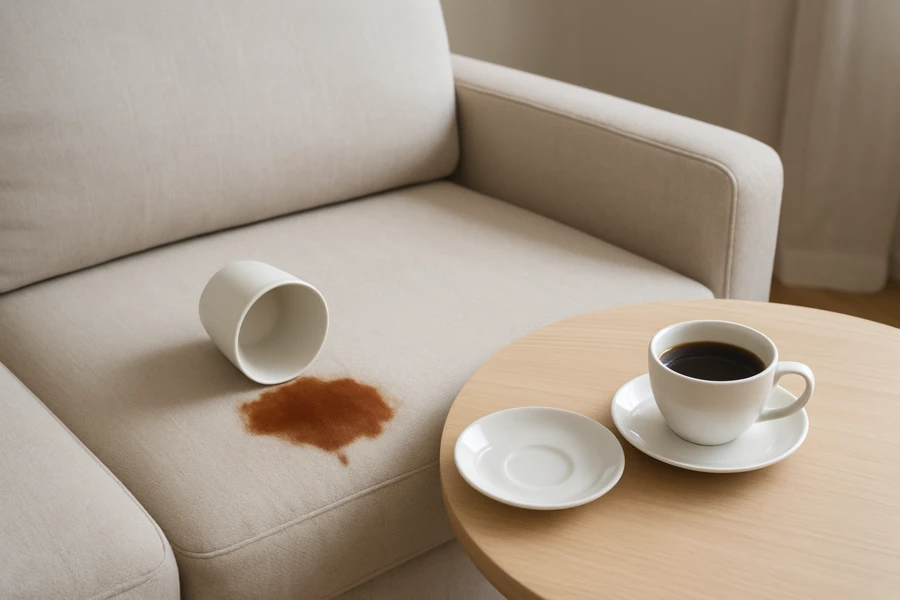
- Treating common stains on a polyester couch
- Using machines and specialty tools on polyester upholstery
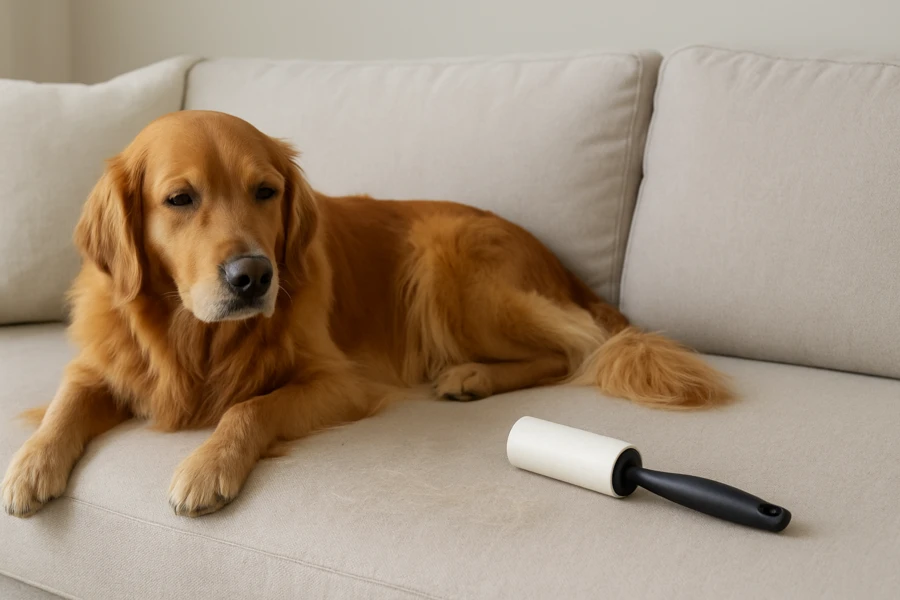
- Preventive care and everyday maintenance for polyester couches
The fastest way to ruin a polyester couch is guessing at products and scrubbing blindly; the fastest way to save it is following what its fabric and care tag quietly insist on. In my experience, once people understand how to clean polyester couch surfaces properly, stains stop feeling like an emergency and start feeling routine. I'll walk through how to clean polyester couch fabric step by step, answer the question “how do you clean a polyester couch” in plain language, and show how to care for polyester couch materials so they stay fresh, soft, and streak‑free without fading, pilling, or that stiff, over-cleaned feel.
Understand your polyester couch fabric and care labels
Care labels tell you exactly how to clean polyester couch fabric without guessing and damaging the fibers. I always check for codes like W, S, WS, or X before choosing any product, because the wrong cleaner can leave rings, stiff patches, or faded spots.
For anyone asking how to clean 100 polyester couch or how to clean polyester blend couch, the label is your roadmap. W usually means water-based cleaners are safe, S calls for solvent-based products only, WS allows both with care, and X means vacuuming only with no wet cleaning at all.
Always test any cleaner on a hidden area first. I have found that even on “safe” fabrics, cheap or harsh products can strip the finish or change the texture overnight.
What 100 percent polyester means for cleaning
True 100% polyester is tough, colorfast, and usually forgiving, so how to clean a 100 polyester couch is often simpler than natural fibers. Most labels on how to clean 100 polyester sofa allow mild water-based solutions, but over-wetting still causes water marks and slow drying.
I advise using light moisture and quick blotting on these sofas rather than soaking the fabric. Strong scrubbing can roughen the fibers, so work gently and in small sections.
Polyester blends microfiber suede velvet and faux leather
Blended fabrics demand more attention because each texture reacts differently to moisture and heat. In my experience, how to clean polyester microfiber couch usually involves gentle brushing and minimal liquid, while how to clean polyester suede couch needs special care to avoid flattening the nap.
For anyone wondering how to clean polyester velvet couch, I treat it like a delicate fabric, keeping strokes in one direction to avoid shading marks. With faux leather surfaces, such as how to clean polyester faux leather couch or how to clean polyester leather couch, I avoid abrasive tools that can crack or cloud the finish.
Polyester with polyurethane or foam components
When polyester is backed or coated with polyurethane, the outer fabric and inner layers must both be protected. How to clean polyester polyurethane couch safely means avoiding heavy saturation so moisture does not seep into seams or backing.
Labels that mention how to clean polyester polyurethane upholstery or how to clean polyester polyurethane faux leather upholstery often recommend mild cleaners and very controlled moisture. With cushions, I always consider the core: how to clean polyurethane foam couch or how to clean polyurethane foam chair requires keeping foam from becoming waterlogged, which can cause odor and slow drying.
On mixed constructions, such as how to clean polyurethane and polyester couch, I treat each surface according to its most sensitive component. When in doubt, follow the stricter care guidance on the label and keep cleaning localized.
Safety checks and cleaning products to avoid on polyester
I always start any method for how to clean polyester upholstery with safety checks, not products. Polyester reacts badly to harsh chemicals and high heat, so avoid chlorine bleach, straight acetone, and boiling water on cushions or covers. These can strip color, melt fibers, or leave stiff, shiny patches that never blend back in.
Before deciding how to clean polyester furniture, read the care tag and stick to its code; ignoring it is a mistake I see often. Strong scrub brushes, abrasive pads, and steamers on maximum heat can roughen the surface, cause pilling, or even distort the shape. For anyone learning how to clean polyester upholstery fabric safely, I recommend mild cleaners, cool to lukewarm water, and soft cloths only.
Patch testing and colorfastness on polyester
On a white sofa, how to clean white polyester couch fabric safely always starts with a hidden test spot. Dab your chosen cleaner on the back hem or underside, then blot with a white cloth; any color transfer means the solution is too strong.
For how to clean polyester couch stain areas, I test both the cleaner and the blotting pressure so I do not create a ring or a lighter halo. Always allow the test spot to dry fully before treating the main stain, because some damage only shows once the fabric is dry.
Cleaners and tools that can damage polyester
When planning how to clean polyester fabric couch surfaces, I avoid highly alkaline cleaners, oven cleaner, and undiluted alcohol on large areas; they can weaken fibers and dull the finish. Wire brushes, magic-eraser style melamine sponges, and rough scouring pads can shave or scratch the weave, especially on textured upholstery.
Skip high-heat steam cleaning unless the care tag explicitly allows it. In my experience, too much heat can cause rippling, seam stress, or a permanently “wavy” look that no amount of brushing will fix.
Step by step routine cleaning for a polyester couch
I start every routine clean by checking the care tag, because that tells me exactly how to clean polyester sofa fabrics without damaging the finish. For anyone asking how do you clean polyester couch cushions week to week, the answer is a light, regular routine instead of aggressive scrubbing. I have found that this same gentle approach works on how to clean polyester fabric sofa designs with textured weaves and smooth finishes alike.
For clients who ask how to clean polyester couch or how to clean polyester upholstery couch surfaces between deep cleans, I recommend focusing on dry methods first, then light moisture only where needed. This keeps the fabric fresh while avoiding water marks or stiffness.
Used correctly, these steps cover how to clean polyester couch fabric safely and keep it looking newer for longer. The same routine also supports any later work on how to spot clean polyester couch areas or how to remove stains from polyester couch cushions, because you are never fighting built-up dust and grit.
Dry cleaning basics vacuuming and brushing
- Vacuum the entire couch weekly using an upholstery attachment, working in overlapping passes. In my experience, this is the single best answer to how to clean polyester couch without wearing down the fibers.
- Switch to a crevice tool for seams, buttons, and under cushions to prevent grit from cutting into threads over time. A mistake I see often is skipping these tight areas, which shortens the life of polyester upholstery.
- Use a soft upholstery brush to gently lift flattened nap and loosen lint before a second light vacuum pass. This is how to clean polyester upholstery couch fabric so it looks revived instead of just debris-free.
- If you are planning how to clean polyester couch as part of a bigger living room routine, always complete dry cleaning before using any damp cloths or solutions.
Mixing a safe home cleaning solution for polyester
- Confirm the care code on the tag (W, S, or W/S) so you know how to clean polyester couch fabric with water-based or solvent-safe products. Ignoring that small label is one of the fastest ways to cause rings or stiffness.
- For W or W/S tags, mix one teaspoon of mild dish soap into one quart of warm water, then stir until lightly foamy. I use this same mix whenever clients ask how to clean polyester sofa cushions without leaving residue.
- Pour a small amount of the solution into a separate bowl and keep the rest aside so you are never dipping a dirty cloth into the main mix. This keeps the answer to how to clean polyester fabric sofa hygienic instead of spreading grime around.
- Test the solution on a hidden patch, dabbing and letting it dry fully. Only after that do I use it more widely, because some low-quality dyes can still react badly even on polyester.
How to spot clean polyester couch surfaces
- Blot fresh spills immediately with a clean white cloth, pressing straight down rather than rubbing. This first move dramatically improves how to spot clean polyester couch cushions later.
- Apply a small amount of your tested cleaning solution to a microfiber cloth, not directly to the fabric. In my experience, this controlled application is the quiet secret behind how to remove stains from polyester couch fabric without halos.
- Work from the outside edge of the stain toward the center using short, gentle dabs. A mistake I see often is scrubbing outward, which spreads the mark and makes how to spot clean polyester couch upholstery far harder.
- Blot with a second dry cloth to lift moisture, then allow the area to air-dry completely. For older marks, repeat once rather than over-wetting, which is the safer route for how to remove stains from polyester couch cushions and arms.
Deep cleaning and washing polyester couch covers and cushions
I start any deep job by checking the care label, because that single tag tells you exactly how to deep clean polyester couch fabric without ruining its finish or shape. For a full reset, I have found that combining gentle washing with fast, thorough drying keeps odors away and prevents that sour, damp smell from settling in.
To decide how to wash polyester couch surfaces properly, I always test a hidden patch with your chosen detergent first. A mistake I see often is soaking the cushions so heavily that the foam never fully dries, which invites mildew inside the couch even though the outside looks clean.
For anyone asking how to wash polyester couch pieces versus how to clean polyester couch cushions still attached to the frame, treat the fabric and the foam as two separate materials that just happen to live together. Keep water use controlled and airflow high so the fabric releases soil while the inner cushion stays structurally sound.
On heavily used seating, I deep clean polyester couches every 6–12 months, then spot clean in between. That rhythm keeps the fabric bright and the cushions supportive without constant scrubbing or unnecessary wear.
How to wash removable polyester couch cushion covers
Before deciding how to wash polyester couch covers, I always close zippers and turn the covers inside out to protect the visible weave. That small move reduces pilling and keeps the seams from stretching while the machine agitates.
- Check the label so you match the method to the fabric rating, especially for how to wash polyester couch cushion covers that have mixed fibers or decorative threads.
- Pre-treat greasy spots with a tiny amount of liquid detergent, working it in with your fingers instead of a brush to avoid fuzzing the surface.
- Choose cold water and a gentle cycle for how to wash polyester cushion covers; hot water can set stains and wrinkle the fabric permanently.
- For how to wash polyester fiber couch cushion covers, use a mild, dye-free detergent and skip fabric softener, which can leave residue and dull the texture.
- Air-dry the covers completely on a rack or back on the cushions, shaping the corners while damp so they don't dry twisted.
Machine washing versus hand washing polyester covers
When clients ask how to wash polyester fiber couch covers or how to wash polyester sofa covers, I look first at thickness and any backing on the fabric. Heavier, rubber-backed, or very loose-weave covers usually respond better to controlled hand washing.
| Method | Best For | Pros | Risks |
|---|---|---|---|
| Machine washing | Sturdy polyester covers with intact seams and clear “machine wash” labels | Fast, consistent, ideal for how to clean polyester couch washing machine routines on family sofas | Overloading can stretch zippers, and harsh cycles can cause pilling |
| Hand washing | Delicate, older, or loosely woven polyester fiber couch covers | Gentler agitation, more control over soaking and rinsing | Harder to rinse fully and easy to overwet if you are not careful |
Professional secret: In my experience, one or two covers can go safely in a front-load washer on a delicate cycle, but a full set often does better split into two loads to reduce friction and stretching.
Cleaning non removable cushions and foam safely
For non-removable cushions, the secret to how to clean polyester couch cushions is limiting moisture at the surface and protecting the inner core. I start by vacuuming slowly with a crevice tool to pull dust from seams and buttons.
- Mix a small bowl of warm water with a teaspoon of mild detergent, then dip a microfiber cloth in and wring it almost dry.
- Work in sections, gently blotting and lightly scrubbing stains instead of soaking, especially on a polyurethane foam couch where excess water will sink straight into the core.
- For how to clean polyurethane foam couch interiors after a spill, unzip any access panel and blot the foam with dry towels, then spot clean with the same barely damp cloth.
- Use fans or open windows to speed drying, pressing a clean towel into the fabric to lift any remaining moisture from deep inside.
A mistake I see often is using carpet cleaners or steam on fixed cushions, which drives water into the foam and leads to lingering odors. Controlled, shallow cleaning keeps both the polyester fabric and the inner cushion fresher for much longer.
Treating common stains on a polyester couch
I always tackle stains on polyester in a set order, because rushing in with the wrong product sets the mark permanently. This same basic method works whether you are figuring out how to remove stains from polyester couch cushions or spot cleaning a single panel.
- Blot immediately with a clean, dry cloth. Press, do not rub, so you do not push the stain deeper while trying to clean stains off polyester couch fabric.
- Check the care tag for W, S, W/S, or X. I have found that respecting this code matters more than the stain type when deciding how to clean stain on polyester couch upholstery safely.
- Pre-treat with mild solution. For W or W/S tags, mix a few drops of dish soap in warm water; for S tags, use a small amount of solvent-based upholstery cleaner on a cloth rather than directly on the fabric.
- Work from the outside in, dabbing the edge of the spot first. This simple habit is the secret to how to get stain out of polyester couch fibers without creating a larger ring.
- Rinse and dry thoroughly by blotting with a damp cloth, then a dry one. A mistake I see often is leaving the area wet, which can leave water marks and attract new soil.
Fresh spills versus old set in stains on polyester
Fresh spills on polyester respond quickly to blotting and a light soap solution, so I always address them within minutes whenever possible. Old, set-in marks need patience; I treat them as a polyester couch stain in thin layers, repeating short applications instead of soaking the fabric.
For stubborn, dried stains, test any stronger cleaner on a hidden area first. I often use a soft-bristled brush in tiny circles to lift residue between short treatments, which is far safer than one aggressive scrub when you want to clean polyester couch stain without roughening the fibers.
Special care for light and white polyester sofas
On pale upholstery, how to clean white polyester couch fabric comes down to controlling two things: product strength and moisture. I always dilute cleaners more heavily on white pieces and change cloths often so gray, lifted soil does not redeposit and cause dull shadows.
A professional secret: avoid pure bleach on white polyester. It can yellow the fabric and weaken the fibers, so I rely instead on oxygen-based stain removers used sparingly, followed by thorough blotting and fast drying with a fan to prevent water rings on light sofas.
Using machines and specialty tools on polyester upholstery
I rely on machines on polyester only after testing a hidden spot for color change or texture roughness. For anyone asking how to clean polyester couch with carpet shampooer, the key is using the lowest moisture setting and a detergent labeled safe for synthetic fabric, then speeding up drying with a fan to avoid water rings.
For how to clean polyester microfiber couch, I treat it like delicate suede: light passes with an upholstery tool, almost no pressure, and a final brushing with a soft upholstery brush to lift the nap so it does not dry stiff or patchy.
When a carpet cleaner or upholstery machine is safe
I only consider how to clean polyester couch with carpet shampooer after checking the care tag: codes W or WS usually tolerate water-based cleaning, while S or X do not. Never use a carpet machine on polyester marked S or X, because the heat and moisture can cause rippling, rings, or even backing separation.
Safe use means short, controlled passes, minimal solution, and thorough extraction. I also avoid any “steam” settings; high heat can permanently distort polyester fibers.
When to call a professional upholstery cleaner
For anyone unsure how to clean polyester upholstery couch without damage, I recommend calling a pro when stains are oily, set-in, or cover large areas. Professional help is critical if the couch has loose seams, sagging cushions, or a history of shrinking or puckering after cleaning.
I also bring in a professional upholstery cleaner for expensive sectionals or pieces with mixed fabrics, since pros can test fibers and choose the safest method instead of guessing with a rental machine.
Preventive care and everyday maintenance for polyester couches
In my experience, the smartest way to care for polyester couch fabric is to treat it gently but consistently. Start by vacuuming cushions and crevices two to three times a week to keep grit from wearing down the fibers. Rotate and flip any loose cushions regularly so the fabric ages evenly instead of developing shiny spots.
A mistake I see often is ignoring small spills. Blot them immediately with a clean, dry cloth before they have a chance to set, then follow the label instructions for how to clean my polyester couch properly. Keep food, dark denim, and sharp objects off the seating area whenever possible to prevent stains, dye transfer, and snags.