How to Remove Dog Hair from Your Couch Using Simple Home Methods
- Identify your couch fabric before you start
- Quick daily methods to get pet hair off your couch
- Deep cleaning to remove embedded pet hair
- Special care for leather suede and velvet couches
- Cleaning routines to remove hair fur and dander safely
- How to keep pet hair off your couch longer
- Common mistakes and when to call a professional cleaner
- Dealing with pilling and lint on couch fabric
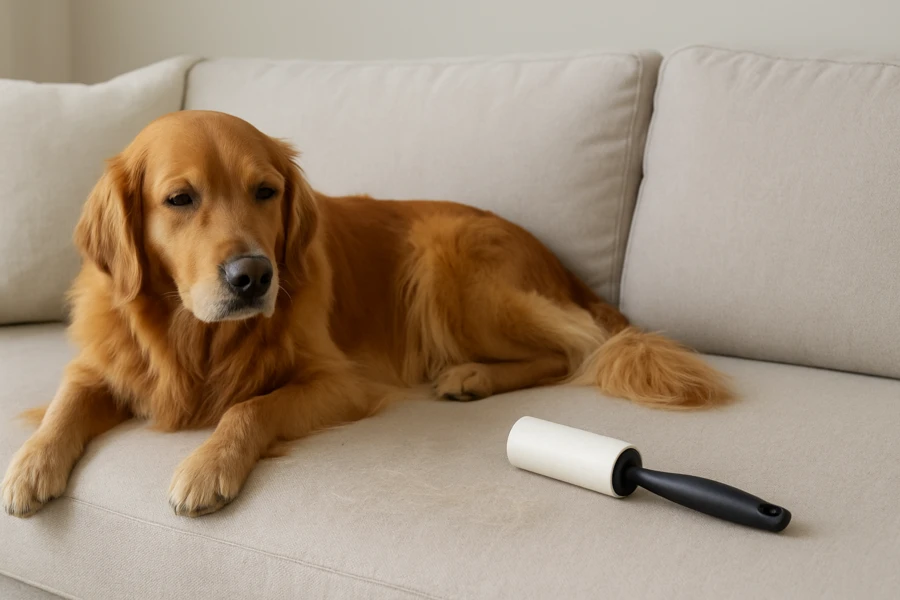
The fastest way to make a couch look clean again isn't a new vacuum; it's using the right technique for the hair that's actually stuck there. I've tested every trick people suggest for how to remove dog hair from couch cushions and throws, and the difference between a five‑minute freshen‑up and an hour of frustration is usually one small change in method. You'll see how to get pet hair off couch fabric without smearing it deeper, how to get hair off couch seams where it mats in, and how to adjust your routine so you aren't repeating the same battle every single day.
Identify your couch fabric before you start
Effective pet hair removal starts with knowing what you are working on. I always check the care tag first, then run my hand over the surface to feel if it is smooth, napped, or textured.
A mistake I see often is using the same tool on every surface. What works safely on a microfiber cushion can be completely wrong for leather, where the goal is to avoid scratching or dulling the finish.
For anyone wondering how to remove pet hair from upholstery or furniture in general, the real answer is that fabric type decides your tools, pressure, and whether moisture is safe. One wrong guess can push hair deeper into the weave or leave water rings you cannot fix.
Fabric and microfiber couches
On these couches, the main risk is forcing hair deeper into the weave. In my experience, the gentlest methods that work on fabric sofa cushions also handle cat hair on arms and backs without stressing the material.
Short, even strokes with the right tool will pull hair out of the fibers without fuzzing or pilling the fabric.
Leather and faux leather couches
Leather needs glide, not grab. Any technique you use on leather cushions or arms must respect the protective coating and avoid abrasion.
I always focus on lifting hair while keeping the finish conditioned, not dried out or streaky.
Suede and velvet couches
These nap fabrics bruise easily, so direction matters. On suede, I use a very light touch and always follow the nap, never scrubbing across it.
The same rule protects pile on velvet seats and backs, so you remove hair without crushing that soft, plush look.
Textured fabrics like tweed
With heavy weaves, hair works itself down into every gap. The challenge on tweed cushions is dislodging that trapped hair without pulling threads.
I always treat these as high-risk areas, especially along seams and in corners, because once hair is compacted into the texture, aggressive tools can snag or distort the fabric quickly.
Quick daily methods to get pet hair off your couch
I treat daily hair removal as a 2–3 minute routine, not a deep clean. That habit is what actually keeps dog hair, cat hair, and general fur from embedding into the fabric.
When someone asks how to get dog hair off couch surfaces quickly, I point them to fast, low-effort tools they can keep on a side table or in a drawer. The same approach works for cat hair on cushions and loose fur in seams before it mats down.
The most effective habit is choosing one quick method and repeating it daily on the main seating spots. That is how you keep pet hair under control without dragging out a vacuum every time.
Using lint rollers and sticky tools
I rely on lint rollers for speed on smooth upholstery and throw pillows. Short, overlapping strokes pick up more hair than long swipes, especially on armrests and headrests.
If you are wondering how to remove lint from upholstery at the same time, a fresh sticky sheet will grab both hair and lint in one pass. When a roller feels too slow, I switch to wider sticky pads or reusable silicone rollers for larger sections of the couch.
Using rubber gloves and squeegees
For textured fabrics, rubber gloves are my go-to. A slightly damp glove creates light friction that pulls hair into clumps you can lift by hand.
On flat areas, a small rubber squeegee works like a manual pet-hair rake. I run it in short pulls toward myself, focusing on where pets usually nap, because those zones hold the heaviest buildup.
Using dry cloths and household items
Clean, dry microfiber cloths work well when the couch fabric is delicate or you do not want moisture. Tight circular motions help loosen hair from the weave so you can pinch or vacuum it away.
For anyone trying to get hair out of couch creases without special tools, I often use a slightly textured rubber-soled shoe or a dry kitchen sponge in a pinch. The key is gentle friction and working in one direction so the hair gathers instead of spreading around.
Deep cleaning to remove embedded pet hair
I have found that deep cleaning starts with breaking the bond between fibers and hair. To remove embedded pet hair from couch fabrics, work in stages instead of attacking the entire sofa at once.
- Loosen compacted hair by lightly misting the fabric with water from a spray bottle, then brushing with a rubber-bristled brush. This makes getting hair out of the upholstery far easier because it clumps instead of clinging.
- Work in small sections, moving from top to bottom so loosened hair falls to areas you have not cleaned yet. This method handles dog and cat hair, and mixed-shedding homes, at the same time.
- Finish with a slow, thorough vacuum pass using a crevice and upholstery tool. A mistake I see often is rushing this step, which leaves embedded tufts behind and forces you to repeat the whole process again and again.
For families dealing with heavily covered cushions, I recommend repeating this process on both sides of every cushion. Deep cleaning is less about force and more about methodical, overlapping passes that leave no strip of fabric untouched.
Vacuuming techniques for cushions and seams
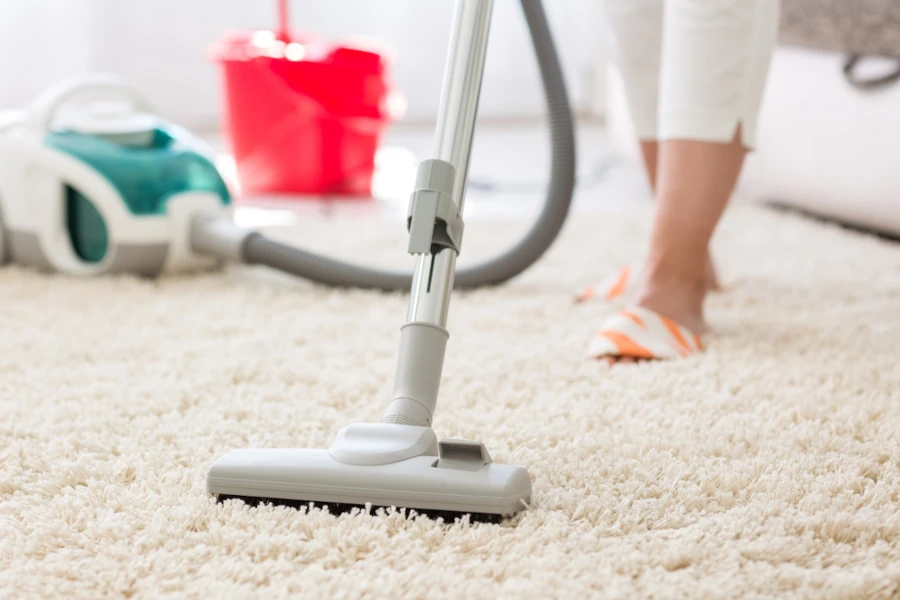
The secret to cleaning pet hair from couch cushions is to treat seams as hair traps. I always start by running a crevice tool firmly along every edge before touching the flat panels.
- Use the right attachment: an upholstery tool with a fabric strip or rubber edge grips hair better. This small switch dramatically improves how well your vacuum picks up fur.
- Vacuum in multiple directions, going with and against the fabric grain. This crosshatch motion is what actually works on woven or textured covers.
- Compress and release cushions as you vacuum to bring buried hair to the surface. I press down near seams, then vacuum as the cushion expands to pull out hidden clumps.
Professional secret: Short, slow passes pick up more than fast, sweeping motions, even with a powerful machine.
Removing dog hair from couch cushions
For stubborn dog hair on cushions, I rely on a combination of friction and suction. I start with dry tools, then use slightly damp methods only if the fabric care tag allows it.
- De-hair the surface with a rubber glove or silicone pet hair brush, wiping in one direction so hair gathers into visible lines. This preps the area so the vacuum needs far fewer passes.
- Lift and separate layers by unzipping removable covers and vacuuming both the inner cushion and the inside of the cover. Many people skip this, then wonder why cushions still feel gritty.
- Spot-treat stubborn patches with short strips of packing tape or a lint roller pressed firmly into the fabric. I avoid long strips, which lose tack quickly and waste effort.
Handling stubborn hair on textured and microfiber fabrics
On microfiber, the challenge is that fibers grip every strand. The first move is to slightly dampen a microfiber cloth, not the sofa itself.
- Wipe in one consistent direction with the damp cloth to gather hair into piles. This step alone often solves moderate shedding on microfiber.
- Vacuum immediately using an upholstery tool before the fabric dries, working in overlapping rows. I have found that delaying this step makes removal much harder.
- Use a rubber squeegee on textured areas to drag out deeply lodged strands. The same technique works on arms and backs, where pets love to rub and nap.
Warning: Always test any damp method on a hidden spot of microfiber first to avoid water rings or texture changes.
Special care for leather suede and velvet couches
For leather, I have found the safest method is a slightly damp microfiber cloth used with light, even strokes. This reliably removes pet hair from leather surfaces without scratching or drying them out.
To tackle buildup in seams and creases, use a soft-bristled brush or a vacuum with a brush attachment before wiping. Always dry leather immediately with a clean cloth so moisture does not leave marks or cause stiffness.
With suede, the secret is a dry approach. To lift dog hair from a suede couch, I use a suede brush or a clean, dry sponge and work in one direction only to avoid crushing the nap.
Velvet behaves differently. When clients ask about removing cat hair from velvet upholstery, I recommend a lint roller or rubber glove first, then a soft brush to lift the pile back up, keeping the fabric looking plush instead of flattened.
Cleaning routines to remove hair fur and dander safely
-
Start with dry removal every 2–3 days. I have found that a rubber glove or dry squeegee grips hair better than most fancy gadgets. Use short, firm strokes in one direction to clean a couch covered in dog hair without grinding debris deeper into the fabric.
-
Vacuum slowly with the right attachment once a week. A mistake I see often is rushing. Use a brush or upholstery head and move in overlapping passes; this approach tackles pet hair on sofa cushions and fur packed into seams where it collects.
-
Dampen, then lift remaining hair. Lightly mist a microfiber cloth with plain water and wipe in one direction. This simple pass helps remove leftover hair from sofa arms and also prepares the surface for any spot-cleaning you do afterward.
-
Finish with a dander-focused wipe-down. The secret to managing cat dander on couch fabric is frequent, gentle wiping with a barely damp cloth, followed by full air-drying. I repeat this routine on high-use spots, which also helps control pet hair across the rest of the living room furniture.
Safe products and tools for different fabrics
I always match tools to fabric before tackling pet hair on upholstery. For delicate linen or velvet, I rely on a soft clothes brush or a low-suction vacuum rather than sticky rollers that can pull threads.
For sturdy synthetics and tightly woven cotton, a rubber pet hair brush or slightly damp microfiber cloth removes hair fast. These same tools work well on armrests and back cushions without leaving residue.
Reducing allergens from pet hair and dander
To manage dog hair on furniture long term, I schedule fabric care like I would any other maintenance. High-traffic sofas get a thorough vacuum twice a week, with special attention to creases where allergens settle.
For cat dander on furniture, I have found that a HEPA-filter vacuum and regular laundering of throws and slipcovers make the biggest difference. Always ventilate well after cleaning so loosened dander does not linger in the room air.
How to keep pet hair off your couch longer
Use tightly woven throws or washable couch covers; they trap fur on the surface so you can shake or launder it away before it embeds in upholstery. I have found that choosing covers close to your pet's fur color also makes stray hairs far less noticeable between cleanings.
A mistake I see often is skipping regular brushing. Grooming your dog or cat near a hard floor every day cuts down the amount of hair that ever reaches the sofa, which is the real secret to keeping pet hair off the fabric for longer stretches.
For anyone struggling with cat hair on couch cushions specifically, block favorite lounging spots with a folded blanket, a pet bed, or an alternate perch by a window. Sticky lint rollers or rubber grooming gloves left on a nearby side table make quick touch-ups part of your routine, so you are not constantly battling buildup on the cushions themselves.
Common mistakes and when to call a professional cleaner
A mistake I see often is scrubbing upholstery aggressively while trying to get dog hair off couch fabric. This drives hair deeper into the weave and can cause pilling, especially on velvet or chenille.
Another problem is using sticky tape or cheap lint rollers on couch surfaces every day. Adhesive residue attracts more dust and dander, leaving the fabric dull and grimy.
Call a professional cleaner if the cushions smell despite vacuuming, the fabric is delicate or labeled “dry clean only,” or you have allergies and need deep extraction. I also recommend expert help when removing fur involves old stains, embedded oils, or expensive materials like linen, wool blends, or leather.
Dealing with pilling and lint on couch fabric
I always start by checking the fabric tag before tackling pilling, because some delicate weaves snag easily. Pilling happens when loose fibers twist into tiny balls from friction, especially on high-use spots like couch cushions and arms.
For anyone asking how to remove fabric pilling from couch surfaces without damage, a manual fabric shaver or sweater stone works best. Use light pressure and short strokes, clearing the tool often so it does not drag and scratch the fibers.
If you want to know how to remove pilling from couch cushions specifically, take the cushion covers off if they are removable and lay them flat on a firm surface. This keeps the fabric tight, so the blade or stone only contacts the pills, not the base weave.
Many people ask how to remove fabric balls from couch areas made from mixed fibers. In my experience, a lint roller or sticky tape lifts loose lint first, then a gentle pass with a shaver handles the remaining pills cleanly.
Anyone unsure about safely removing pilling should always test a small hidden patch. Stop immediately if you see thinning, snagging, or color change.