Essential Spring Cleaning Tips to Refresh Every Room in Your Home
- How to plan a realistic spring cleaning strategy
- Room by room spring cleaning checklist
- Fast cleaning strategies when you are short on time
- Decluttering before you deep clean
- Spring cleaning room types and tricky spaces
- Cleaning when you feel overwhelmed or depressed
- Seasonal cleaning routines beyond spring
- Common spring cleaning mistakes and safety tips
Start with this: a few simple spring cleaning ideas, done in the right order, can make your home feel twice as spacious without buying a single new storage bin. In my experience working with families and busy professionals, the homes that stay fresh the longest rely on simple spring cleaning routines, not marathon scrub-a-thons. I'll walk you through spring cleaning tips that actually fit real life, including easy spring cleaning tips you can finish in under 20 minutes and spring cleaning ideas that tackle both clutter and dust at the same time. Expect calm, clear guidance for simple spring cleaning that leaves every room lighter and easier to maintain.
How to plan a realistic spring cleaning strategy
Start by matching your ambition to your actual time and energy. In my experience, the people who ask for spring cleaning help usually try to do the entire house in one weekend and burn out halfway through. A realistic strategy breaks the work into focused blocks with clear boundaries.
I have found that blending practical cleaning and organizing tips works better than deep cleaning first and decluttering later. Tackle one space at a time and fully finish it, so you see fast progress and avoid shuffling clutter from room to room. This approach turns cleaning and tidying up into a series of small wins instead of one exhausting marathon.
For a tidy home that actually lasts, plan maintenance from the start. Assign a quick weekly reset to each finished area, even if it is only five minutes. Those tiny routines protect your hard work and keep you from needing another massive overhaul. Use your favorite strategies as “maintenance habits” rather than one-time projects.
Set priorities and zones for your home
The fastest way to learn how to clean your house from top to bottom is to stop thinking in terms of rooms and start thinking in zones. I break homes into high-traffic zones (kitchen, entry, bathrooms), daily-living zones (bedrooms, family room), and low-priority zones (storage, guest spaces). High-traffic zones get first attention because they affect your day, your stress level, and your health.
When I share cleaning your home tips with clients, I always tell them to pick one priority zone per day, not five. That focus lets you pull everything out, sort, clean, and put it back in a logical order without rushing. Once your priority zones are stable, only then move to the less-used spaces so you are not constantly backtracking.
Create a schedule you can actually stick to
For most families, the schedule fails before the cleaning does. I design plans around real life, especially when offering cleaning tips for busy moms who are juggling work, kids, and meals. Anchor cleaning blocks to existing routines - right after school drop-off, during nap time, or while dinner is in the oven - so the work slides into your day instead of fighting it.
The professional secret is to schedule by outcome, not by hours. Instead of “clean for two hours,” write “clear and wipe kitchen counters” or “declutter two shelves.” For quick, efficient results, cap each task at 20–30 minutes and batch similar jobs together, like all dusting or all bathroom wipe-downs. Short, specific sessions are the ones people actually follow, week after week.
Room by room spring cleaning checklist
Start with one space at a time; that is the backbone of any reliable approach to cleaning your house. I have found that writing a short checklist for each room keeps any deep-clean plan realistic instead of overwhelming.
For true results, focus on tasks you skip during weekly chores. The most effective ways to deep clean usually involve working from high to low, clearing clutter first, and finishing with floors so dust and debris only get cleaned once.
In my experience, a solid deep-clean routine combines three things: a set order, time limits, and a clear stopping point. That structure stops you from half-cleaning every room and never seeing a finished space.
Bedroom deep cleaning and tidying tips
- Strip all bedding, wash on the hottest safe setting, and air the mattress for at least 30 minutes.
- Empty bedside tables and drawers, remove anything you do not use weekly, and wipe all interior surfaces.
- Dust from ceiling corners down to baseboards, then vacuum under and behind the bed, not just around it.
- Group clothes by “keep, mend, donate” to support bedroom cleaning tips that actually stay tidy longer.
- For cleaning your room tips that stick, keep only one small catch-all tray per surface to prevent new clutter piles.
- If you wonder how to clean your room properly, always finish by resetting the bed and clearing the floor completely.
Living room and common areas refresh
- Clear every surface, including coffee tables and sideboards, before you dust or polish anything.
- Use targeted living room cleaning tips: vacuum upholstery with a crevice tool and rotate cushions to even out wear.
- Collect remote controls, chargers, and magazines into a single basket or box to support a tidy home that lasts.
- Wipe light switches, door handles, and banister rails; these high-touch spots quietly sabotage even the best cleaning efforts if ignored.
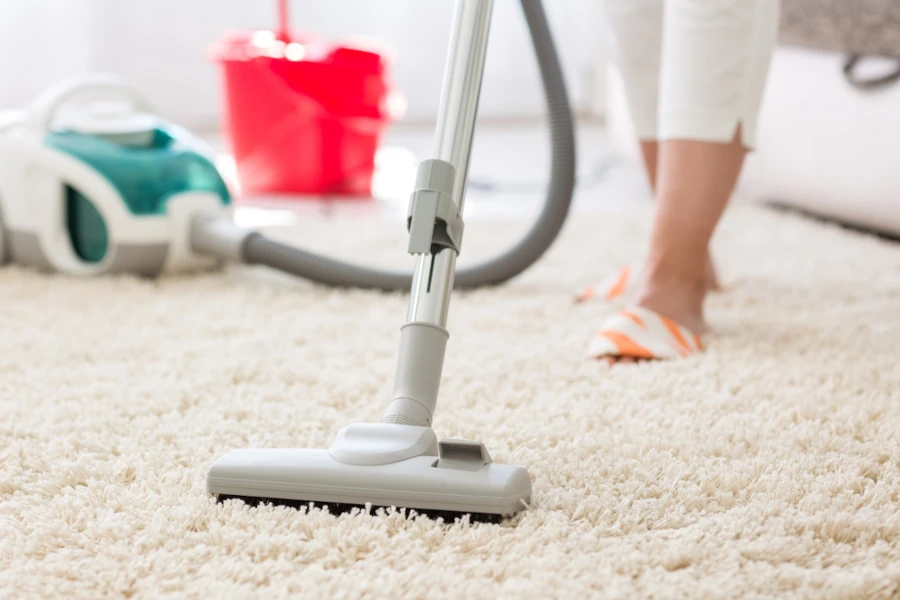
- Finish by vacuuming or mopping from the farthest corner toward the exit so you never walk back over clean floors.
Bathroom and kitchen problem spots
In my experience, the best cleaning products to deep clean house areas like grout and greasy backsplashes are targeted cleaners, not all-purpose sprays. Always test any new product on a hidden patch first to avoid damage or discoloration.
Good housekeeping cleaning tips for these rooms focus on dwell time: let cleaners sit long enough to dissolve soap scum, limescale, and baked-on grease before you scrub. Wear gloves and keep the room ventilated whenever you use strong bathroom or kitchen products.
Fast cleaning strategies when you are short on time
To clean house in one day, I always start by setting a strict timer for each room and sticking to it. Real speed comes from limiting decisions, so keep a caddy with your core products and carry it everywhere instead of hunting for supplies.
The best way to clean a messy house fast is to clear surfaces before you scrub anything. I tell clients to grab a laundry basket, sweep clutter into it in minutes, and deal with sorting later once the main cleaning work is done.
For how to clean your room fast, focus on three zones only: bed, floor, and one main surface like a desk or dresser. If you like structure, follow a simple step-by-step: always make the bed first, then pick up trash, then do a quick dust-and-wipe.
- Use these quick house cleaning tips in 15-minute bursts to prevent burnout.
- Prioritize high-traffic areas so your home looks guest-ready even if some corners wait.
- Choose one cleaning tool per task to avoid wasting time switching products.
Decluttering before you deep clean
In my experience, every deep clean goes twice as fast if you strip back surfaces first. I use clearing clutter tips that start with the easiest wins: obvious trash, broken items, and duplicates.
To clean up my house efficiently, I work room by room with a laundry basket for “relocate,” a box for “donate,” and a bag for “trash.” Stop once the containers are full; this prevents burnout and keeps decisions sharp.
Cleaning tips for hoarders need to focus on safety before appearance. I always clear walkways, exits, and around beds and stoves first so people can move freely and emergency paths stay open.
A mistake I see often is trying to sort every paper and keepsake on day one. The most effective approaches to cleaning a hoarder's house start with low-sentiment items like pantry clutter, expired products, and obvious junk mail.
When you are facing a really dirty house, I start with anything wet, moldy, or smelly, because those are health risks. Bag and remove food waste and soiled items before you touch dust or knickknacks; otherwise, grime just spreads around the room.
Gentle decluttering methods including death cleaning
Gentle methods work best for long-cluttered homes. I rely on death cleaning tips that focus on what truly serves the next stage of your life, not what you feel guilty about discarding.
Good Swedish death cleaning advice starts with asking, “Would I want someone else to deal with this after I'm gone?” If the honest answer is no, it usually belongs in the donate or trash pile.
Inspiration from Marie Kondo and Japanese tidying
Decluttering tips Marie Kondo made popular can be adapted for real, messy homes. I often use her idea of working by category - clothes, books, papers - so you see the full volume and make clearer choices.
Marie Kondo cleaning tips pair well with Japanese approaches that emphasize respect for your belongings and your space. For quick wins, I teach clients simple tidy up tips like resetting one “anchor spot” each day, such as the kitchen table, so the home starts to feel under control again.
Spring cleaning room types and tricky spaces
Apartment and small space spring cleaning
In my experience, effective spring cleaning apartment routines start with vertical surfaces, not the floor. Clear counters, windowsills, and the tops of cabinets first so you only vacuum once.
- Start your apartment spring cleaning checklist with a fast declutter of surfaces, drawers, and under-bed storage, using one bag for trash and one for donations.
- Wipe light switches, door handles, and remotes, then work down to furniture and baseboards.
- Finish by vacuuming and mopping from the farthest corner toward the door so you do not track dust back in.
Anyone asking how to clean your apartment efficiently should group tasks by tool: do all dusting in one pass, then all glass, then all floors. This cuts cleaning time in small spaces dramatically.
Garage and basement cleaning ideas
To clean your garage properly, I always start by pulling everything to the driveway so I can see what actually deserves to go back in. Wear a dust mask and gloves if the space is musty or full of cobwebs.
- Sort items into keep, donate, and trash, then sweep walls, corners, and the floor.
- Use simple garage cleaning tips like installing wall hooks and clear bins so tools and seasonal gear stay off the floor.
- Apply the same logic to basement cleaning: elevate stored items on shelves and use lidded bins to protect against moisture and pests.
Preparing your home to sell with a deep clean
For cleaning out a house to sell, I focus first on what buyers see in the first 30 seconds: entry, living room sightlines, and kitchen counters. Remove at least a third of visible belongings before you start scrubbing.
- Work room by room, wiping doors, trim, and light fixtures, then cleaning glass and mirrors until they are streak-free.
- Use targeted tips for cleaning and organizing your home, like matching hangers in closets and tidy pantry shelves, to signal a well-cared-for property.
- Finish with a whole-house floor pass so every room feels consistently fresh and move-in ready.
Many spring cleaning tips for homeowners overlook odors; I always air the house out and wash soft furnishings so the space smells as clean as it looks.
Cleaning when you feel overwhelmed or depressed
On the worst days, I tell clients to treat cleaning like first aid, not a makeover. Stop as soon as you feel dizzy, shaky, or panicked. That is your red flag, not a failure. Many people looking for depression cleaning tips or guidance for tackling a really dirty house push until they crash, then avoid the space for weeks.
A mistake I see often is trying to “fix” the entire space at once, especially with depression room cleaning tips or advice on cleaning a depression room. Focus only on health hazards first: rotting food, overflowing trash, and anything wet or mouldy. Emergency-style cleaning works best when you protect your body and mind before you worry about how the room looks. In my experience, specific “filthy house SOS” tricks matter less than listening to your limits and working in very short, timed bursts.
Small wins and safe goals for tough days
On a heavy day, one tiny task is enough. I rely on easy cleaning tips to refresh your home that can be finished in under five minutes, because your brain needs quick proof that effort works. For example, a single bag of trash out of the door often matters more than an hour of unfocused tidying.
When clients ask for cleaning your room tips while depressed, I suggest one “safety zone” only: a clear path to the bed, a clean pillowcase, or an empty laundry basket. Stop the moment your body feels done, even if the room still looks bad. That small win keeps you from the shame spiral that often follows overambitious cleaning plans.
When to ask for professional or medical help
Professional help is not a luxury once health risks appear. If you see widespread mould, strong sewage smells, or signs of pests, stop and call for spring cleaning help or a remediation service. Many filthy house SOS mould guides skip the fact that disturbing heavy mould without protection can seriously harm your lungs.
I've worked in homes where shame delayed support for years. If the mess is blocking exits, hiding mould, or you feel hopeless even reading “SOS” cleaning advice, it is time to involve a doctor, therapist, or trusted support person. Cleaning can wait; your safety cannot.
Seasonal cleaning routines beyond spring
I have found that homes stay consistently easier to manage when seasonal cleaning routines run all year, not just during one big spring overhaul. The best spring cleaning tips you use in March or April can be scaled down and repeated in lighter versions every few months.
For fall cleaning tips, I always focus on what will be hardest to tackle once it gets cold: deep vacuuming soft furnishings, washing curtains, and cleaning vents before heating kicks in. This is also the moment to declutter closets as you swap wardrobes, so winter gear has clear, accessible space.
Winter cleaning tips should prioritize air quality and salt or slush control. I recommend adding extra doormats, wiping baseboards more often, and changing furnace filters on a strict schedule.
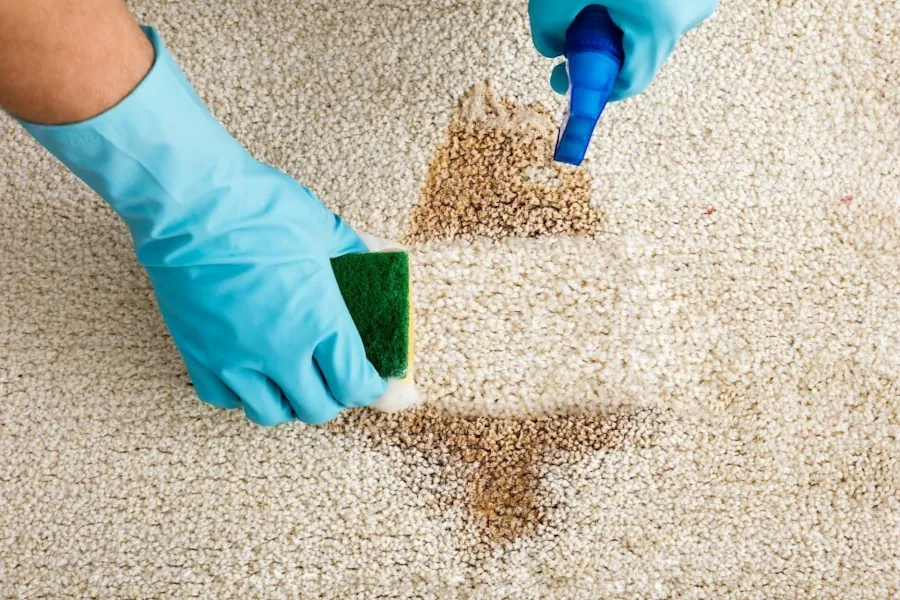
Holiday cleaning tips work best when they are preventative. I pre-stage stain removers near the laundry area, protect high-traffic carpets with washable runners, and clear surfaces so guests have space, instead of relying on a single list of “top 10” spring cleaning ideas once a year.
Common spring cleaning mistakes and safety tips
Starting without a plan wastes energy; the best way to spring clean your home is to work room by room and keep walkways clear to avoid trips and falls. I have found that mixing products is the most dangerous mistake; never combine bleach with ammonia or vinegar because the fumes can send you to the emergency room.
People chasing fast results often skip protective gear, but gloves, a mask, and good ventilation are non‑negotiable when using strong cleaners. One of my core cleaning your home tips is to lift with your legs, not your back, and to use sturdy step stools instead of chairs for high dusting or curtain removal.