How To Remove Mold From Couch Safely And Completely
- Why mold grows on couches and when you should be concerned
- Safety steps before you start cleaning mold
- How to remove mold from fabric and microfiber couches
- How to remove mold from leather and suede couches
- How to clean mold from cushions and hidden areas
- Common mistakes when removing mold from a couch
- When to call a professional or replace the couch
- How to prevent mold returning on couches and furniture
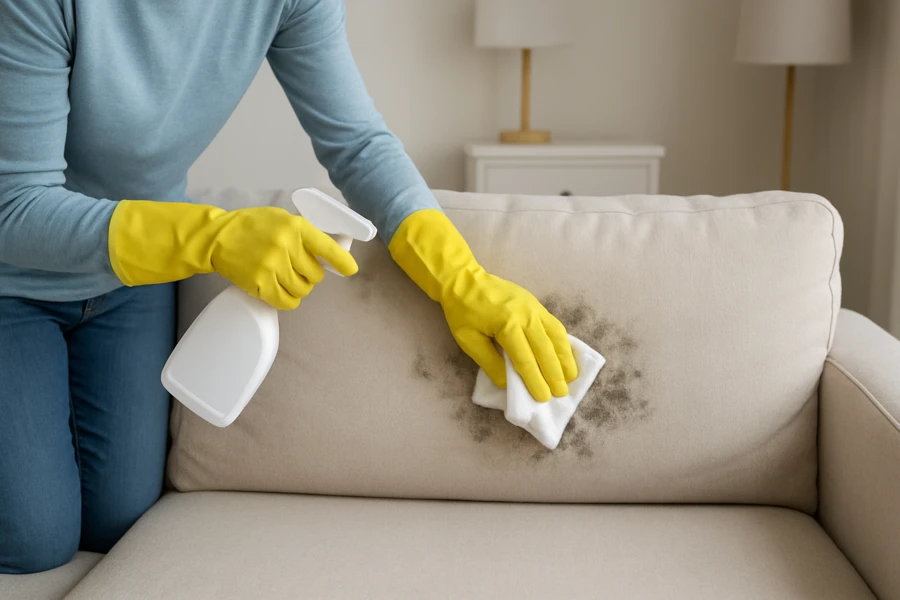
Start by accepting one hard truth: if mold is on your couch, every sit, cushion slap, or vacuum pass can spread spores deeper and into the room. In my experience restoring soft furniture, the difference between a salvaged sofa and a write-off usually comes down to how quickly and methodically you handle that first clean. You're probably searching how to remove mold from couch, wondering about mold on sofa how to remove it safely, or even how to clean a moldy couch without ruining the fabric. Here, I walk you through a calm, stepwise approach that protects your health, your home, and gives your couch the best chance of a full recovery.
Why mold grows on couches and when you should be concerned
In my experience, mold shows up on couches whenever three things line up: moisture, poor airflow, and a food source in the fabric or padding. Spills, pet accidents, damp clothes, or even a humid room can all feed mold deep inside the cushions, which is why people often search mold on sofa how to remove or how to get rid of mold in couch after a slow, hidden problem has already started.
The first concern is always your health, not the upholstery. A musty odor, visible spots, or a couch that feels slightly damp for days are all signals you should stop using it and start planning how to get rid of mold on couch safely, even before any cleaning products come out.
Health risks of a moldy couch
Soft furniture holds spores close to your breathing zone, so mold on sofa health risks can be more intense than on a wall. I have seen clients develop stubborn coughing, sinus issues, headaches, and skin irritation that eased only after they learned how to clean a moldy couch correctly or removed it entirely.
Anyone with asthma, allergies, a weakened immune system, infants, or elderly family members should avoid sitting or sleeping on a moldy couch at all. In those homes, I always recommend sealing off the room if possible until a safe plan for how to get rid of mold on couch fabrics is in place, because every sit or cushion-fluff sends spores back into the air.
When the couch is too far gone to save
Once mold reaches the inner foam or frame, how to get rid of mold on a couch often stops being a cleaning question and becomes a disposal decision. I look for three red flags: heavy, widespread staining; a strong, sour or earthy odor even after airing out; and visible growth on the underside, zippers, or inside cushion seams.
If you see mold blooming from inside the cushions or along the wood frame, the safest choice is to discard the couch rather than ask how to get mold out of couch padding. At that stage, spores are deeply embedded, and aggressive cleaning can release more contamination into your home than it removes.
Safety steps before you start cleaning mold
Before deciding how to clean mold off couch surfaces, control the air. Open windows and run a fan blowing out, never toward you or deeper into the room, so spores do not spread through the home.
Wear gloves, an N95 mask, and eye protection any time you handle mold. I have seen many people react badly because they skipped protection while figuring out how to clean mold from couch cushions or frames.
Keep children and pets out of the area, and isolate the couch with a closed door or plastic sheet if possible. Bag any loose, heavily moldy items immediately; do not carry them uncovered through the house when deciding how to clean mold off a couch safely.
Protecting yourself and your home from mold spores
Work in a well-ventilated space; that is non‑negotiable when planning how to clean mold on couch fabric or seams. I always start by placing an old sheet or plastic under the couch so spores and debris land on something disposable.
Never dry-brush or bang cushions indoors, as this blasts spores into the air. A mistake I see often is people trying how to clean mould off couch materials while using a regular vacuum with no HEPA filter, which simply redistributes spores around the room.
Checking couch labels and testing cleaners
Before deciding how to clean mold off fabric couch upholstery, read the care label for codes like W, S, WS, or X; these tell you which cleaners are safe. I always test any product or homemade solution on a hidden spot and wait at least 15 minutes to check for fading or damage.
For anyone learning how to clean mold off microfiber couch materials, be especially careful: strong liquids can harden or watermark the fibers. Stop immediately if you see color bleeding, stiffness, or a rough texture, and switch to a gentler, label-approved method.
How to remove mold from fabric and microfiber couches
To handle how to remove mold from couch fabric properly, I always start by taking the couch outside or to a well-ventilated area so spores do not spread indoors. For anyone asking how do you get mold out of a fabric couch without damage, the safest approach is a controlled, step-based process.
- Put on protective gloves and a mask before touching the couch.
- Dry-brush the visible mold gently, keeping the brush strokes short to limit spreading.
- Vacuum the entire surface with a HEPA vacuum, focusing on seams and crevices.
- Apply a fabric-safe cleaning solution, then blot rather than scrub to avoid driving spores deeper.
- Rinse lightly with a damp cloth and remove as much moisture as possible.
- Dry the couch completely with airflow, fans, and dehumidifiers until the cushions feel bone dry.
People searching how to clean mold off fabric couch or how to get mold out of couch fabric usually miss the final drying step, which is where regrowth often starts. The secret to how to get rid of mold on fabric couch safely is combining gentle mechanical removal, a suitable cleaner, and aggressive drying so no hidden damp spots remain.
Dry brushing and vacuuming mold safely
For how to clean mold off couches without spreading spores, I always start with dry work before any liquids touch the fabric. Never use a regular household vacuum without HEPA filtration, as it can blow spores through the exhaust and contaminate the room.
To address how to get mold off a couch effectively, keep your brush movements controlled and move the vacuum nozzle slowly over each section. I have found that working from the least affected areas toward the worst spots helps avoid dragging mold into clean fabric.
Cleaning solutions that are safe for fabric
Anyone wondering how to clean mold from sofa materials safely should test every product on a hidden area first. Avoid harsh bleach on most fabric and microfiber, as it can weaken fibers and discolor the couch.
When choosing how to remove mold from sofa upholstery, I rely on mild detergent, white vinegar solutions, or manufacturer-approved cleaners. In my experience, microfiber responds best to light misting and blotting rather than soaking, which helps prevent water rings and distortion.
Drying the couch thoroughly to prevent regrowth
To truly get rid of mold in couch cushions and frames, the interior must dry as thoroughly as the surface. I often stand cushions on edge and rotate them so every side gets direct air flow.
Never put damp cushions back into the frame, as this traps moisture and invites new growth. For anyone asking how to prevent mold returning to couch fabrics, the key habits are controlling room humidity, keeping the couch off damp walls, and acting quickly on any spills so moisture never lingers inside the padding.
How to remove mold from leather and suede couches
For how to remove mold from leather couch and sofas safely, I always start with dry removal before introducing moisture. Work in a well-ventilated area and, if possible, move the leather furniture outside to keep spores out of your living space.
- Vacuum with a HEPA filter using a soft brush attachment to lift loose mold from the leather couch, leather sofa, or leather lounge. Empty the vacuum canister or bag outside immediately.
- Mix a mild cleaning solution: combine lukewarm water with a few drops of gentle liquid soap, or a leather-safe cleaner. Harsh detergents make how to clean mold off leather couch work much harder by drying and cracking the surface.
- Lightly dampen a microfiber cloth and wipe small sections at a time. The secret to how to remove mould from leather couch and how to remove mould from leather sofa is never soaking the leather; excess water drives moisture deeper into the padding.
- Treat stubborn spots with a mix of water and white vinegar (about 10–20% vinegar) on a cloth, not directly on the leather. This same method applies for how to remove mould from leather lounge and other leather furniture.
- Dry thoroughly with a clean towel, then allow the piece to air-dry completely away from direct heat or sun before anyone sits on it.
A mistake I see often is scrubbing aggressively. Gentle, repeated passes always work better than force when you need how to remove mold from leather sofa or any mold from leather furniture.
Cleaning mold from leather safely
In my experience, how to clean mould off leather couch properly starts with testing your cleaner on a hidden spot. If the color darkens permanently or the finish turns sticky, you need a milder solution.
For how to clean mould off leather lounge and other leather furniture, use only soft microfiber or cotton cloths. Abrasive pads ruin protective coatings and make future mold growth more likely by opening the surface.
Wear gloves and a mask while cleaning. Mold spores from leather can irritate skin and lungs, especially in small rooms where air circulation is poor.
Special care for suede and delicate finishes
For how to remove mold from suede couch safely, keep water use to an absolute minimum. Suede behaves very differently from smooth leather and can harden or stain quickly if it gets too wet.
- Brush the dry suede with a suede brush or clean soft toothbrush to lift surface mold. Work in one direction to avoid matting the nap.
- Vacuum gently to pull loosened spores from the fibers. Hold the nozzle slightly above the surface to prevent marking the suede.
- Spot-treat only with a lightly damp cloth and a suede-safe cleaner where staining remains. This same light-hand approach works for how to clean mold off couch fabrics that have a delicate or brushed finish.
Never soak suede or steam it. Excess moisture drives mold deeper and can permanently change the texture.
Conditioning and protecting leather after mold removal
Once you know how to get rid of mold on leather couch surfaces, the next step is restoring lost oils. Mold and cleaning solutions both dry leather, which is why conditioning is non-negotiable.
For how to get mold out of leather couch padding without inviting it back, I have found that a quality leather conditioner is the best long-term defense. Apply a thin, even layer after the leather is fully dry, let it absorb, then buff lightly with a soft cloth.
Finish by improving room ventilation and reducing humidity. Without tackling moisture, even the best work on how to clean mold off leather couch or how to remove mold from suede couch will only give temporary results.
How to clean mold from cushions and hidden areas
Start by taking the cushions outside before doing anything else. This keeps mold spores out of your home and makes any method for how to remove mold from couch cushions far safer.
- Vacuum with a HEPA filter on all sides of each cushion, including seams and zippers, to capture loose spores before wet cleaning.
- Check every zipper, seam, and button tuft. In my experience, hidden areas hold more growth than visible fabric, which is why people think they know how to remove mold from sofa cushions but miss the source.
- Test any cleaner on a hidden spot so you do not bleach or weaken the fabric while working on how to get mold out of couch cushions.
- Use a targeted upholstery-safe mold cleaner or mild detergent solution on visible spots, then blot, never scrub, so you do not drive mold deeper while trying how to get mold out of cushions.
- Dry cushions completely in direct sunlight or strong airflow; even a little leftover moisture will restart growth.
A mistake I see often is treating only the fabric surface. For reliable results with how to get mold out of couch cushions, you must combine surface cleaning with deep drying and careful inspection of every hidden fold.
Washing removable cushion covers
- Unzip and remove covers outdoors, keeping foam inserts separate so you can focus on how to get mould out of cushions without soaking the core.
- Pre-treat moldy patches with an oxygen-based stain remover or a detergent solution suitable for how to get mould out of fabric couch materials, then let it sit for 10–15 minutes.
- Machine-wash on warm (never hot unless the care label allows) using a heavy-duty detergent and an extra rinse cycle.
- Inspect after washing; repeat spot treatment if any staining remains before drying.
- Dry covers fully in sunlight or a low-heat dryer, then only reinstall once both covers and inserts are bone dry.
Treating mold inside foam and non-removable cushions
- Work outside and wear protection; mask and gloves are non‑negotiable when deciding how to get mould out of couch interiors safely.
- Vacuum all sides thoroughly, pressing gently to draw spores from inside seams and tufting; this step alone often improves results when people ask how to get mould out of a couch.
- Lightly mist an upholstery-safe antimicrobial cleaner onto the surface, avoiding heavy saturation that can trap moisture deep in the foam.
- Massage the cushion gently to move cleaner a little deeper, then blot with clean towels to pull out as much moisture and residue as possible.
- Stand cushions on edge in strong airflow or sunlight for several hours; do not put them back on the sofa until completely dry and odor-free.
Professional secret: If foam stays musty after thorough drying, replacement of the insert is usually safer than repeated chemical treatments.
Common mistakes when removing mold from a couch
Scrubbing mold while the fabric is dry is the fastest way to spread spores deep into the cushions and across the room. I always start by lightly misting the area so spores do not go airborne. Using straight bleach on upholstery is another mistake I see often; it weakens fibers, ruins color, and still may not reach mold rooted inside the padding.
Many people searching how to clean mold off sofa or how to clean mould off sofa skip protective gear. Always wear gloves and a proper mask when disturbing mold. Rushing the drying stage is just as risky; if the couch is not completely dry, the mold usually comes back within days.
When to call a professional or replace the couch
Heavy, widespread growth across cushions, back, and frame is the point where you stop thinking about how to get rid of mold in couch yourself and bring in a remediation specialist. In my experience, if you see thick, fuzzy patches, multiple colors (black, green, or orange), or the mold returns after cleaning, you need professional help.
Call a professional immediately if anyone in the home has asthma, allergies, is pregnant, elderly, or immunocompromised. I have found that even a small moldy couch can trigger serious symptoms for sensitive people, and DIY work can release more spores into the air.
Replacement is usually safer than learning how to get rid of mold on a couch that has a musty smell deep in the cushions, visible mold on the inner frame, or past water damage. Soft, porous furniture holds spores; once they penetrate the padding and wood, complete removal is rarely reliable.
How to prevent mold returning on couches and furniture
Dryness beats regrowth. I have found that keeping humidity under 50% is the single best way to get rid of fungus on furniture and stop it coming back.
A mistake I see often is cleaning only the visible spots. To truly get rid of furniture fungus, you must dry the cushions, frame, and the floor area beneath and behind the couch.
The secret to how to remove fungus from furniture long term is routine checks. Run your hand along seams and backs monthly; a slightly damp or cool feel usually shows up before mold stains do.
Stopping moisture problems around your couch
To get rid of mold on couch fabrics and keep it away, control the air, not just the upholstery. Use a dehumidifier or air conditioner, and leave at least a hand's width between the couch and the wall for airflow.
I often see people asking how to get rid of mould on couch areas that sit over cold floors. Add a rug or insulation pad under the front legs to reduce condensation, and open windows briefly after showers or cooking to vent steam.
Preventing mold on wooden furniture nearby
Wood near a damp couch often tells you first that moisture is building up. If you are working on how to get rid of fungus on wooden furniture, start by moving it slightly away from exterior walls and heating vents.
To remove fungus from wooden furniture and keep it from returning, I wipe surfaces with a lightly damp microfiber cloth, dry immediately, then apply a breathable furniture wax once or twice a year. Never leave wet cups, plants, or cloths sitting on wood; trapped moisture is what quietly feeds the next mold outbreak.