How To Get Paint Out Of Carpet Quickly And Safely
- What to do as soon as paint spills on carpet
- How to tell what kind of paint is on your carpet
- How to remove water based and emulsion paint from carpet
- How to get gloss and other oil based paint out of carpet
- How to remove acrylic paint from carpet and rugs
- Home remedies and DIY methods for paint on carpet
- Safety tips and mistakes to avoid when cleaning paint from carpet
- When paint stains on carpet need professional help
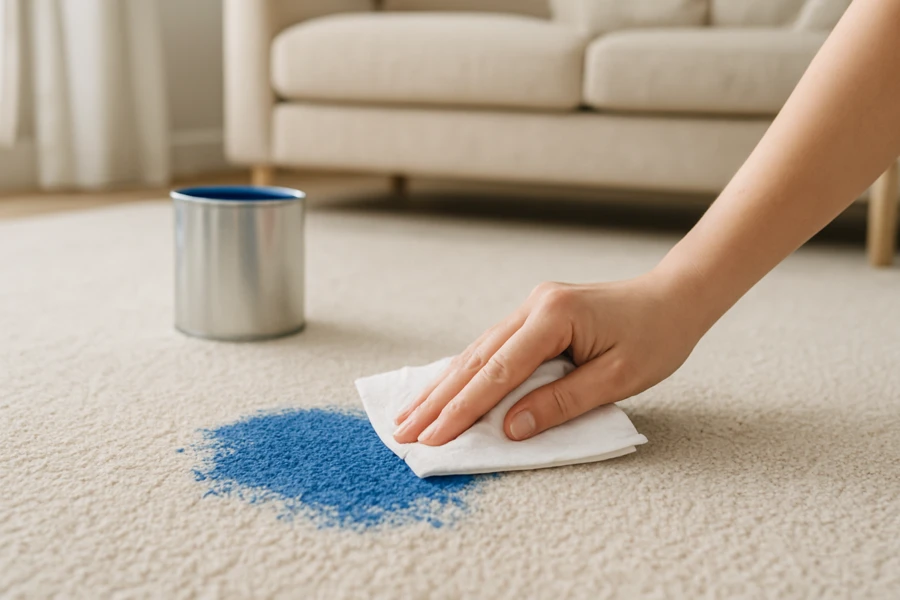
The fastest way to save a carpet from paint is to act before the stain sets, not to panic and scrub blindly. I've lost count of how many calls I've taken where a simple paint stain on carpet turned into permanent damage because someone grabbed the wrong cleaner or rubbed too hard. In my experience, people search how to get paint out of carpet or how to remove paint from carpet only after they've already made it worse. Here, you'll see how small adjustments in timing, tools, and technique turn a disaster into a fixable problem, even if that paint stain on carpet has already dried.
What to do as soon as paint spills on carpet
-
Act immediately and keep the area from spreading. I always tell clients to stop walking on the spill so the paint does not track into clean fibers. Set a roll of paper towels or a clean cloth around the edge to form a quick barrier.
-
Lift, don't rub, the excess paint. For anyone asking how to get fresh paint out of carpet, the first move is to scoop up the bulk with a spoon or dull knife. Work from the outside toward the center so you do not push color deeper.
-
Blot wet paint with absorbent material. A mistake I see often is scrubbing; this just frays fibers. If you're dealing with wet paint, press folded paper towels or a white cloth straight down, replace as they load up, and keep going until no more transfers.
-
Prepare the spot for detailed cleaning. Once the excess is under control, remove any nearby objects and open a window for ventilation before you move on to cleaning solutions. This keeps you safe and gives you clear access to the stained area.
How to tell what kind of paint is on your carpet
Drying speed tells you a lot. If the spot dried within an hour and feels slightly stiff but not rubbery, you are likely dealing with a water-based wall paint, which is key if you are planning how to get wall paint out of carpet without damaging the fibers.
Check the label on the nearest can or recent project materials first. In my experience, most living rooms and bedrooms use latex or acrylic house paint, while oil-based products are more common on trim and doors, which changes how you remove this type of coating from carpet safely and effectively.
Odor is another giveaway. Strong, lingering fumes usually mean oil-based paint, while a mild or nearly absent smell suggests water-based paint. To accurately identify paint type on carpet, I also lightly scrape the surface: water-based paint tends to flake, while oil-based comes off in more rubbery, flexible pieces.
How to remove water based and emulsion paint from carpet
Act fast with water based and emulsion paint; these stay workable for a short window and that is your biggest advantage. In my experience, the best way to handle water-based spills in carpet is to dilute and lift, not scrub and spread.
The same method works for most emulsion and other washable paints, as long as you match the technique to whether the spill is fresh or dried.
Steps for fresh water based paint spills
- Blot, do not rub. When you're trying to get wet paint off carpet, lay plain white paper towels or a clean cloth on the puddle and press firmly to soak up as much as possible.
- Dilute the stain. Lightly mist cool water over the paint edge, then blot again to pull pigment upward; this is the safest way to clean paint out of carpet without driving color deeper.
- Add mild detergent. Mix a few drops of clear dish soap in a cup of cool water, dab onto the spot, and keep blotting with fresh sections of cloth until no more color transfers.
- Rinse and dry. Wipe with plain water, blot thoroughly, then place a dry towel over the area with a heavy book on top so the carpet dries flat.
Steps for dried water based paint on carpet
- Soften the paint. If the spill has dried, wet the spot with warm (not hot) water and let it sit 5–10 minutes so the paint loosens.
- Break the crust gently. A mistake I see often is gouging the fibers; instead, use a blunt butter knife or spoon to flake the surface without cutting the pile.
- Lift with detergent solution. Dab on a mix of warm water and a few drops of dish soap, then blot; this is an effective way to remove dried water-based paint without harsh solvents.
- Repeat and finish. Alternate gentle scraping and blotting until the stain fades, then rinse with clean water and blot dry thoroughly.
How to get gloss and other oil based paint out of carpet
The secret to how to get gloss paint out of carpet is acting before the solvent fully sets. I have found that a small amount of the right solvent, applied patiently, works far better than scrubbing hard.
- Ventilate the room and test your solvent on a hidden patch of carpet using white cloth. For oil-based spills, I use either white spirit, mineral turpentine, or the thinner recommended on the paint tin.
- Loosen the paint by dampening (not soaking) the stain with solvent on a cloth, working from the outside in. This same method works for satin and satinwood finishes on carpet as well.
- Blot, don't scrub, lifting softened paint onto clean sections of cloth. A mistake I see often is grinding the paint deeper into the pile.
- Rinse and neutralise by dabbing with a cloth dipped in mild detergent solution, then blotting with plain water. For anyone wondering how to get dried gloss paint out of carpet, this same process applies, but it must be repeated more times with longer dwell periods.
Treating fresh gloss or satin paint spills
- Lift excess paint immediately with a spoon or credit card edge, keeping it on the surface. This first move largely decides how successfully you can get wet paint out of carpet with minimal damage.
- Blot with dry white cloths or paper towels until almost no paint transfers. At this stage, you are already halfway to getting the paint off the carpet safely.
- Apply a small amount of compatible solvent to a cloth and dab the remaining stain, then follow with a light detergent rinse and thorough blotting.
Removing old or dried gloss paint from carpet
For clients asking how to get old paint out of carpet, I start by carefully breaking the paint's surface. A blunt knife or spoon works well if you keep the blade flat to protect the fibres.
- Chip and vacuum the brittle paint, removing as many flakes as possible before adding moisture. This step alone often improves dried-paint removal results by 50% or more.
- Soften the remaining residue with a targeted application of solvent on a cloth, allowing a few minutes of contact time, then blot repeatedly.
- Finish with gentle cleaning using a mild detergent solution and clean water, blotting until the carpet feels free of residue and then allowing it to dry completely.
How to remove acrylic paint from carpet and rugs
Act fast and you can usually save both carpet and rug without damage. In my experience, the biggest mistake is rubbing aggressively, which only drives acrylic deeper into the fibers.
- Blot, don't rub. For anyone asking how to get acrylic paint out of carpet or a rug, start by gently blotting with dry paper towels to lift as much wet paint as possible.
- Pre-dampen the area. Lightly mist with cool water; this keeps the paint workable without spreading it.
- Apply a mild detergent mix. Use a teaspoon of dish soap in a cup of warm water and dab from the outside of the stain inward.
- Rinse and blot repeatedly. Alternate clean water and dry towels until no more color transfers.
- Finish with a final rinse. Remove all residue to avoid a sticky patch that attracts dirt.
Anyone learning how to get acrylic paint out of carpet should test any solution on a hidden area first. Acrylic reacts differently on wool rugs than on synthetic carpets, so I always adjust contact time and pressure to suit the fiber.
Lifting fresh acrylic paint from carpet
Fresh spills respond best to speed and gentle handling. When clients ask how to clean acrylic paint out of carpet, I tell them: remove wet bulk first, then treat the residue.
- Scoop excess paint. Use a spoon or dull knife to lift blobs before they soak in.
- Blot with soapy solution. To clean acrylic paint from carpet efficiently, press a detergent-soaked cloth straight down, then lift; do not scrub.
- Rotate to clean sections. Keep changing to a fresh part of the cloth so you are lifting paint, not re-depositing it.
- Rinse lightly. Dab with plain water, then blot dry with a towel until the pile feels clean, not tacky.
Professional secret: A small, stiff-bristled brush gently flicked through the damp fibers can free trapped pigment without fraying the carpet.
Dealing with dried acrylic paint on carpet
Dried acrylic behaves more like plastic than liquid, so the goal is to break and soften it in stages. People searching how to get dried acrylic paint out of carpet often skip the mechanical removal step, which makes the job harder.
- Chip away the surface. Use a dull knife or old credit card to flake off as much as possible.
- Vacuum thoroughly. Remove loose chips so they do not grind back into the pile.
- Soften the residue. Lightly dampen with warm, soapy water and let it sit for several minutes to loosen the paint film.
- Blot and gently agitate. To remove dried acrylic paint from carpet, pinch the fibers between a cloth and your fingers, working a small section at a time.
- Repeat as needed. Alternate softening and blotting cycles until the stain fades, then rinse with clean water and blot dry.
Safety warning: Avoid harsh solvents on synthetic carpet; they can melt or discolor fibers faster than they dissolve the paint.
Home remedies and DIY methods for paint on carpet
Act fast with any spill. I always start by blotting with plain white paper towels and a little cold water to lift as much wet paint as possible before it dries.
For anyone asking how to get paint out of carpet DIY style, mild dish soap is usually my first line of attack. Mix a few drops with warm water, dampen a clean cloth, and blot the stain from the outside in, never scrubbing, to avoid spreading the paint deeper into the fibers.
If you need home remedies that work on stubborn spots, white vinegar and water in equal parts can soften dried paint. Apply lightly, wait a few minutes, then gently scrape with a dull knife and blot again with soapy water.
On older stains, especially if you are wondering how to tackle dry paint with home methods, rubbing alcohol on a cotton pad can help break down the paint, but test in a hidden area first to avoid color damage.
For people curious about how to get paint out of carpet using The Pink Stuff, I have found that a small amount of the paste, worked in gently with a soft brush and then rinsed with clean water, can lift remaining discoloration on light-colored carpets.
Safety tips and mistakes to avoid when cleaning paint from carpet
Test every cleaner on a hidden patch first; this simple step prevents permanent discoloration and shows you how to clean paint off carpet safely with that product. I also keep the room well ventilated, as strong solvents can irritate lungs and skin quickly.
The biggest risks of removing paint from carpet come from scrubbing hard, using too much liquid, or mixing chemicals. Aggressive scrubbing frays fibers, and excess water can soak the underlay and lead to mold. A mistake I see often is grabbing bleach or oven cleaner; both can burn carpet fibers and set stains.
Another common mistake is waiting too long. Dried paint always needs more aggressive methods, which raises both damage and safety risks.
When paint stains on carpet need professional help
Large, fully dried patches that feel stiff underfoot are the stubborn paint stains on carpet that I see most often needing expert treatment. If paint has soaked deep into the backing or spread over a high-traffic area, home methods usually only fade the surface while leaving a shadow in the fibers.
The limits of DIY paint removal from carpet show quickly if you have to scrub hard, use repeated applications of strong solvents, or notice colors in the carpet starting to lighten or bleed. At that point, each extra attempt risks permanent damage or distortion to the pile.
I tell clients that knowing when to call a carpet cleaning professional saves both money and fabric. Call a pro if the stain covers more than a dinner plate, sits on wool or antique rugs, involves oil-based or unknown paint, or if any DIY attempt has already roughened, bleached, or distorted the fibers.